tsvo national park
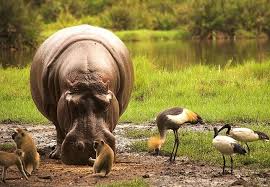
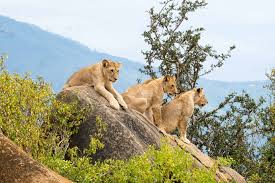
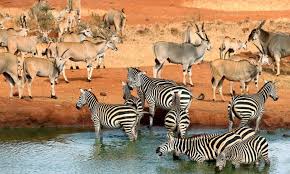
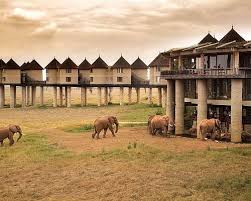
Tsavo National Park is one of Kenya’s largest and oldest national parks, and it’s divided into two main sections: Tsavo East and Tsavo West. Located in the southeastern part of the country, Tsavo covers an area of about 22,000 square kilometers, making it one of the largest wildlife conservation areas in the world. The park is part of the larger Tsavo Conservation Area, which also includes smaller reserves and private sanctuaries.Here are some key aspects of Tsavo National Park:1. Diverse LandscapesTsavo’s landscape is strikingly diverse, ranging from arid savannahs to lush wetlands. The park is dotted with volcanic hills, rocky outcrops, and rivers, and it has a unique mix of semi-desert areas and lush vegetation, particularly along the riverbanks.Tsavo East: Known for its wide, open plains, this section is relatively flat and arid, with sparse vegetation. The iconic Yatta Plateau, the longest lava flow in the world, can be seen here.Tsavo West: This area is more rugged, with hills, forests, and the Mzima Springs, which are natural freshwater springs that create lush oases in an otherwise dry region.2. WildlifeTsavo is home to a wide variety of wildlife, including the “Big Five” (lion, elephant, leopard, buffalo, and rhinoceros). The park is particularly famous for its large elephant population, including the iconic red elephants, so named because of the reddish dust they roll in.Elephants: Tsavo is one of the largest habitats for African elephants. The park is home to both forest elephants (smaller and more elusive) and savannah elephants.Big Cats: Lions, leopards, and cheetahs are abundant, and the park is particularly famous for its mane-less lions in Tsavo East.Other Species: You’ll also find zebras, giraffes, buffaloes, various antelopes (like impalas and grant’s gazelles), and numerous bird species like the Kori bustard and Secretary bird.3. History and MythologyTsavo is known for the infamous Man-Eaters of Tsavo, two lions that terrorized railway workers in the early 1900s. These lions killed and ate dozens of workers constructing the Uganda Railway. Despite attempts to stop them, they remained undeterred for months. They were eventually hunted and their skins and skulls are now displayed at the Field Museum of Natural History in Chicago.4. Conservation EffortsTsavo is an important conservation area, especially for elephant protection. The park has been central to anti-poaching efforts and is involved in various wildlife conservation programs. The park is also a vital corridor for migration, allowing animals to move between Kenya and Tanzania.5. TourismTsavo is a popular destination for safari-goers due to its diverse wildlife, beautiful landscapes, and relatively less crowded experience compared to other parks like the Maasai Mara or Amboseli. Visitors can enjoy game drives, birdwatching, and even walking safaris with trained guides. Mzima Springs, with its underwater viewing chamber for watching hippos and fish, is a favorite spot for visitors.Accommodation: There are numerous lodges and camps within and around the park, ranging from budget to luxury options.6. ClimateTsavo has a hot, semi-arid climate, with temperatures regularly reaching over 30°C (86°F). The park experiences two rainy seasons: a long rainy season from March to May and a shorter one around November to December. Most of the park’s wildlife is concentrated around the rivers and waterholes, especially during the dry season.7. Key AttractionsMzima Springs (Tsavo West): Crystal-clear water, home to hippos and crocodiles, with a special underwater viewing area.Sheldrick Falls: A beautiful waterfall located in Tsavo East.The Yatta Plateau: A stunning geological feature, the longest lava flow in the world.Chaimu Crater: A volcanic crater that provides a panoramic view of the surrounding landscape.Overall, Tsavo National Park is a true gem for those interested in wildlife, history, and breathtaking landscapes. Whether you’re drawn to its rich biodiversity, historical significance, or dramatic scenery, it’s a destination worth exploring.